19000 Pinehurst Tehachapi, CA 93561

HVAC Tips
Stop Paying to Condition the Outdoors: Sealing Air Leaks at Home
Why sealing air leaks saves money
-
Your HVAC doesn’t have to run as long to keep the house comfortable, which lowers energy bills.
-
Reducing drafts makes temperatures feel more even from room to room, so you’re less tempted to crank the thermostat.
-
Less runtime and strain on equipment can extend the life of your system and reduce repair frequency.
Where to look for air leaks
Focus on small, common trouble spots first—many are easy DIY fixes with caulk or weatherstripping.
-
Around doors: Check daylight around the door, worn weatherstripping, loose thresholds, and gaps at the sides or top.
-
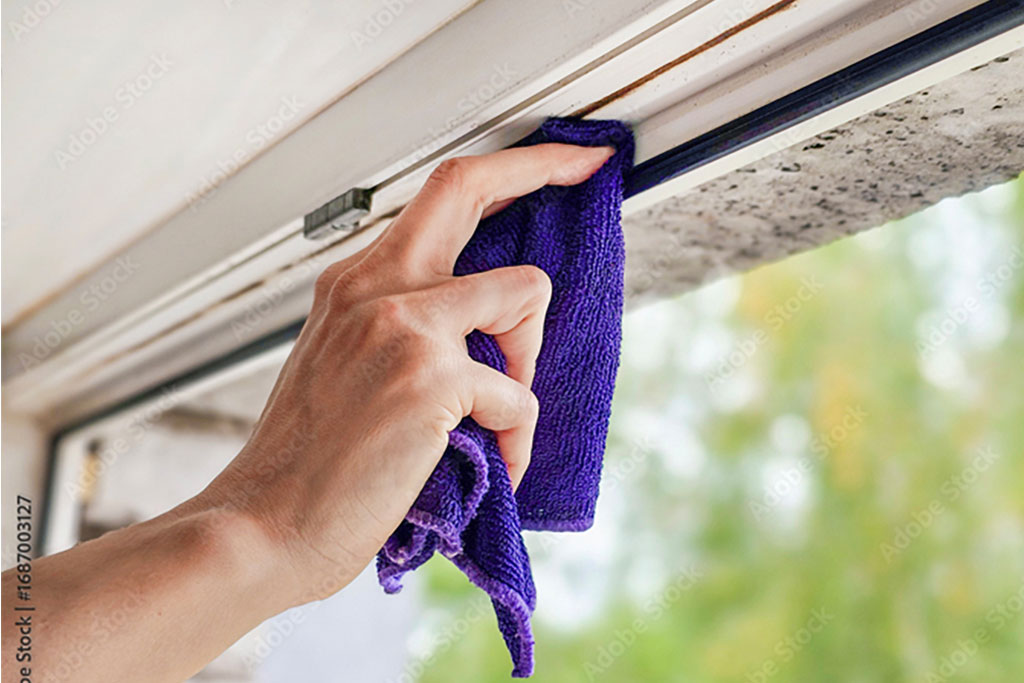
Around windows: Look for cracks where the frame meets the wall, loose or missing caulk, and drafty sashes.
-
Electrical outlets and switches on exterior walls: Cold or hot air can leak through boxes; foam gaskets behind plates help.
-
Baseboards on exterior walls: Tiny gaps along the bottom edge can leak more than people realize.
-
Attic access: Pull-down stairs, attic hatches, and scuttle holes often have poor seals and little insulation.
-
Recessed lights in ceilings below the attic: Older “can lights” can leak a lot of air into the attic if they’re not air‑tight rated.
-
Plumbing and wiring penetrations: Look under sinks, behind toilets, around pipes, and where cables enter the house or attic.
-
Fireplace and chimney area: Gaps around the fireplace surround or damper that doesn’t close tightly can leak conditioned air.
-
Around the dryer vent and exhaust fans: Check the wall penetration outside and the interior connection for gaps.
Simple ways to seal leaks
Most homeowners can handle the basics with a quick trip to the hardware store.
-
Weatherstripping for movable parts
-
Use adhesive-backed foam, door sweeps, or V‑strip to seal around doors and operable windows.
-
-
Caulk for fixed gaps
-
Apply paintable caulk where trim meets walls, around window and door frames, and along baseboards on exterior walls.
-
-
Foam gaskets for outlets/switches
-
Install inexpensive foam inserts behind cover plates on exterior walls, then tighten the covers back down.
-
-
Expanding foam for larger openings
-
Use low‑expansion spray foam around plumbing penetrations, wire holes, and larger gaps where caulk isn’t enough.
-
-
Weatherstripping and insulation at attic access
-
Add a foam gasket around the hatch and place an insulated cover or box over pull‑down stairs or access doors.
-
Work one area at a time so you can feel the difference and stay organized. On windy days, you can sometimes feel drafts by slowly moving your hand around suspect spots, or use a lit incense stick and watch for smoke movement.
When to call a professional
Some air sealing tasks are better handled by a pro:
-
Sealing major duct leaks in attics, crawlspaces, or tight areas
-
Addressing big temperature differences between rooms
-
Evaluating insulation levels and overall home performance
-
Fixing leaks around chimneys or where safety clearances are important
If you’re tired of paying to heat or cool the outdoors, Pierce Heating & Air can help. From finding hidden air leaks to checking your ductwork and insulation, we’ll show you where your home is losing energy and what to do about it. Give Pierce a call today or click here to contact us and schedule an energy‑saving inspection.