19000 Pinehurst Tehachapi, CA 93561

HVAC Tips
10 Homeowner-Friendly Ways to Boost Your Air Conditioner’s Efficiency
When your air conditioner runs more efficiently, your home stays more comfortable, your energy bills tend to be lower, and your system experiences less wear and tear. Below are 10 practical, homeowner-friendly steps—starting with quick wins and ending with high-impact improvements—that can help your AC perform at its best. Problem
1) Replace (or clean) your air filter regularly
A clogged filter restricts airflow, which forces your AC to work harder to move air through the system. That extra strain can reduce performance and increase operating costs. Check your filter monthly during heavy-use seasons and replace it as needed.
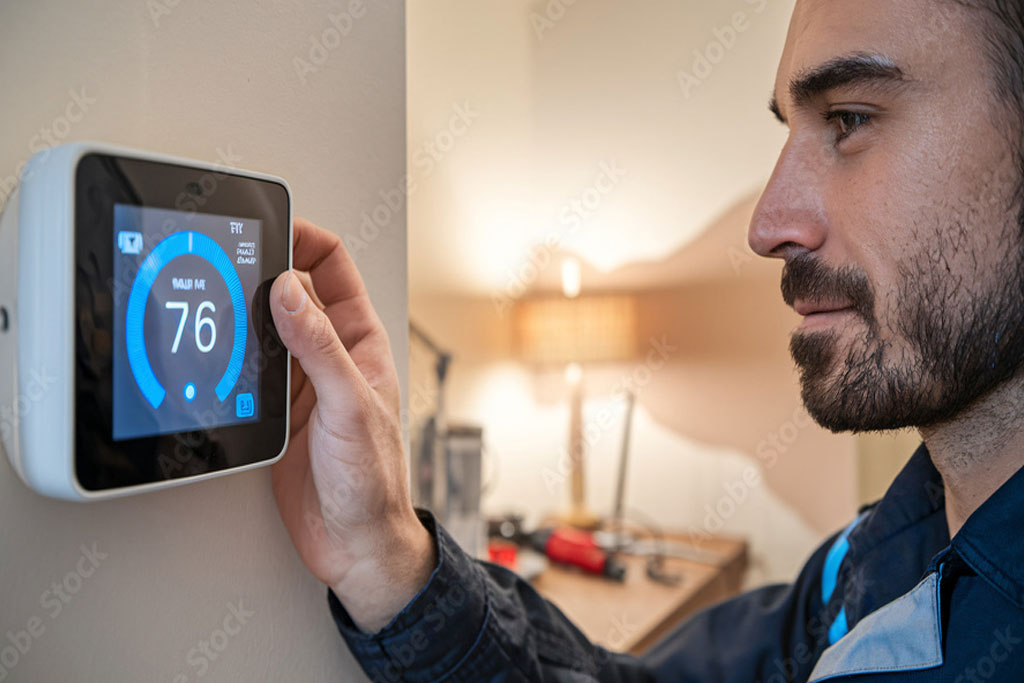
2) Use a smart or programmable thermostat schedule
Cooling an empty home wastes energy. A thermostat schedule helps you maintain comfort when you’re home while easing back when you’re away or asleep. Even small temperature setbacks can add up to meaningful savings over time.
3) Avoid “cranking it down” to cool faster
Turning the thermostat way down doesn’t make the system cool faster—it just makes it run longer. Instead, set a reasonable temperature and let the system do its job. Your comfort will be steadier and your system won’t be pushed unnecessarily.
4) Keep sunlight out during peak heat
Sunlight through windows can add a surprising amount of heat to your home, especially on the warmest side of the house. Close blinds or curtains during the hottest part of the day to reduce heat gain and help your AC maintain temperature more easily.
5) Keep vents and returns clear
Blocked supply vents and return grilles can disrupt airflow and make rooms feel uneven. Make sure furniture, rugs, and curtains aren’t covering vents or returns. Good airflow helps your system cool more evenly and efficiently.
6) Seal air leaks around doors and windows
If cool air leaks out, your AC has to run longer to replace it. Sealing gaps with weatherstripping and caulk is one of the most affordable ways to improve comfort and reduce run time—especially in older homes.
7) Improve attic insulation (and insulation where it counts)
A home that absorbs less heat is easier to cool. Improving insulation—particularly in the attic—reduces heat transfer into living spaces. This can help your AC cycle normally instead of running constantly on hot days.
8) Use ceiling fans the right way
Ceiling fans don’t lower the temperature; they help you feel cooler by moving air across your skin. Use fans in occupied rooms, and turn them off when you leave. With good airflow, you may be able to set the thermostat a little higher and still feel comfortable.
9) Schedule professional maintenance
A seasonal tune-up helps catch issues early and keeps key components clean and properly adjusted. Maintenance may include checking refrigerant levels, cleaning coils, inspecting electrical connections, and confirming safe, efficient operation. A well-maintained system typically runs more reliably and efficiently.
10) Inspect and seal ductwork (if your system uses ducts)
Leaky ducts can waste cooled air before it ever reaches your living spaces. If some rooms never feel as cool as others, or if your system seems to run too long, duct leakage could be part of the problem. Sealing and repairing ductwork can improve comfort and reduce energy loss.
A simple way to get started
If you want the biggest immediate impact, start with three basics: change the filter, block heat from the sun, and make sure vents/returns are unobstructed. Then move into sealing leaks and scheduling maintenance for longer-term gains.